
Finding a care home for a loved one can feel overwhelming, especially when you want to be sure they will feel happy, comfortable and well cared for. Thankfully, understanding the signs of a good care home can help you and your family feel confident in your decision.
Whether you're just beginning your search or arranging visits, here are some of the biggest signs that a care home will offer the exceptional care and peace of mind you’re looking for.
What Are the Signs of A Good Care Home?
High Standards of Care
Personalised care plans are an essential feature of high-quality care. These bespoke documents are a comprehensive record of a residents exact care needs, goals and preferences, from treatment choices to small, everyday decisions. Care plans are designed to help residents feel listened to and comfortable, so make sure that the care home you’re interested in makes full use of them. You can also ask how often they are updated and formally reviewed; this usually happens at least every six months, but can depend on the resident.
Residents should also feel encouraged to maintain their independence wherever possible. This means allowing people to do things for themselves wherever possible without needless interference. Staff should be present to offer assistance, while always respecting residents’ dignity and privacy.
Daily life in a care home should centre around personal choice, from when residents get up in the morning to how they spend their afternoons. It's equally important that residents feel comfortable sharing their views and know they will be listened to. They should also have access to independent advocates who can help them express their wishes or raise concerns if needed.
Good communication is a cornerstone of great care. Therefore, care home staff should remain in close contact with residents’ GPs and healthcare specialists, as well as keeping families up to date with regular check-ins. Families and friends should be enabled and encouraged to visit often; some homes even have no restrictions on visiting times so loved ones can spend meaningful time together whenever suits them.
A Homely, Practical Environment
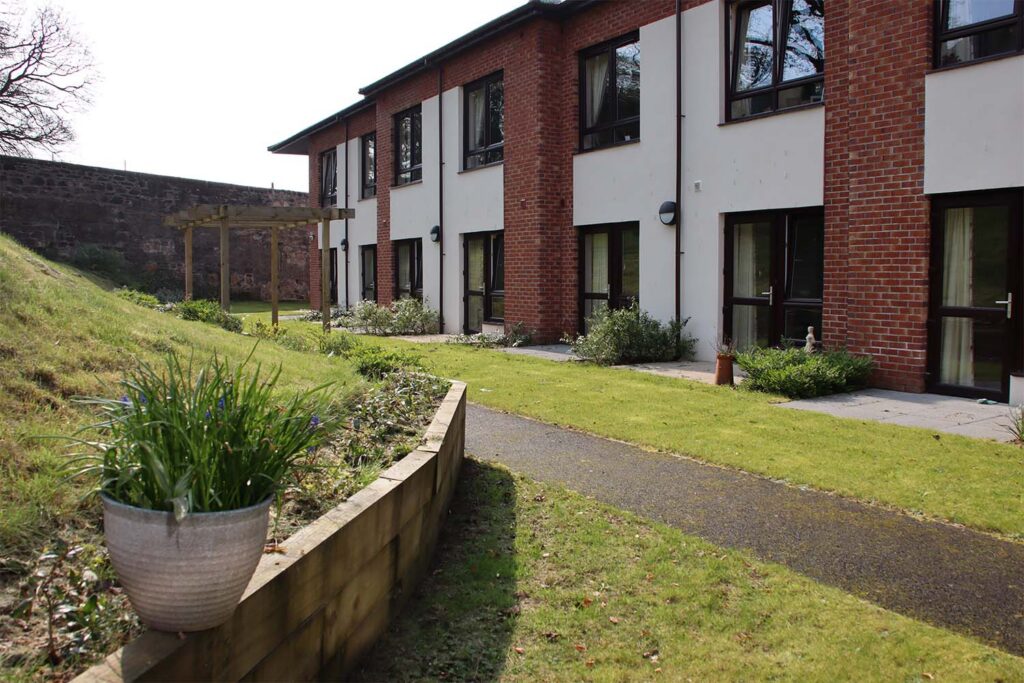
Many care homes have been built for purpose, but even those that haven’t should be practical and safe, while still feeling like home.
Private and communal areas should be well-lit and clutter-free to support independent movement throughout the home. Practical considerations such as hand-rails, regular seating, level flooring, step-free access all make life easier for residents with limited mobility.
Residents should have a variety of choices of where to spend their time, depending on their mood. Dedicated dining rooms and activity areas provide engaging social opportunities, while lounges and quiet spaces offer somewhere peaceful to read and relax.
Bedrooms are especially important because they provide a private space that residents can truly make their own. A good care home will encourage people to personalise their rooms with photographs, familiar belongings and even furniture to help residents maintain a strong sense of individuality and identity.
Care Home Staff
The people working in a care home have a huge influence on how residents feel each day. A friendly, familiar face or a quick chat over a cup of tea can make a huge difference to a person’s sense of belonging and emotional wellbeing.
All care home staff should receive thorough training and be happy to explain their qualifications and experience when you ask.
During your visit, notice how staff interact with the people living there. Do they greet residents by name? Do they understand their individual preferences? Are they rushed off their feet or do they have time to listen and have conversations? These small interactions can tell you a great deal about the care home's atmosphere. Management should also be present, approachable and available to answer questions or discuss any concerns.
Additionally, a good care home will actively welcome feedback from residents and their families, taking their opinions seriously and making improvements where needed. This helps everyone feel involved in creating a positive place to live, so it can be worth asking about a home’s complaints process.
Care Home Activities
A varied and regularly updated activities programme in a care home can make a huge impact to the wellbeing of residents. Regular social opportunities can help built a strong sense of community and purpose, supporting residents’ confidence and combatting isolation and loneliness.
Residents should always be listened to during the planning process, so they can continue their favourite hobbies when they move in and or even pick things up that they’ve always wanted to try.
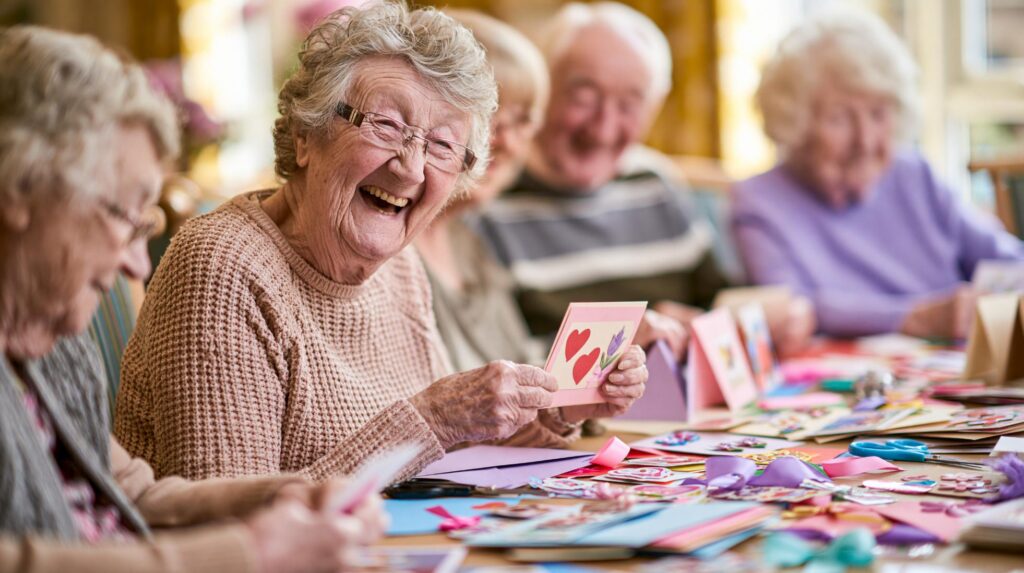
Seated exercise and games can promote gentle physical movement which supports physical health as well as strength and mobility. Arts and Crafts sessions encourage self-expression, creativity and fine motor skills, as well as boosting emotional health. Gardening and other outdoor activities offer sensory experiences and teamwork, while reminiscence sessions can be hugely beneficial for people living with dementia.
All activities should be inclusive and adaptable for people of all abilities, so nobody feels left out or unable to join in. Staff should be on hand at all times to support discreetly while promoting independence wherever possible. Equally, residents should always be given the choice of whether to take part or sit out of any activities they want to.
Trips outside the home provide a valuable change of scenery. Dedicated transport such as an accessible minibus can help make these safer and easier especially for those with limited mobility, so everyone feels included.
Mealtimes
Good care homes will offer high-quality, freshly prepared food, with a choice at every mealtime. Rotating seasonal menus offer variety and keep things interesting for residents, while making the most of different ingredients throughout the year.
Residents should have input when the menu is being created, as well as the option to customise any meals to their preferences. The kitchen team should confidently accommodate dietary requirements, including allergies, medical diets, religious requirements and vegetarian or vegan preferences. Food and drinks should also be available outside regular mealtimes, so residents can enjoy a snack or a cup of tea whenever they would like one.
Mealtimes can be a brilliant social time, but residents should also have the choice to eat in a quieter area or the privacy of their own bedroom if they prefer.
More Things To Look Out For During A Care Home Visit
Visiting a care home is a vital step in choosing the best home for your loved one. As well as asking about the care, facilities and activities we've mentioned, here are some extra aspects to think about during your tour.
Spend some time in the home if you can, and take in the general atmosphere. Ask yourself if you can picture your loved one feeling comfortable there, and if the environment feels warm and welcoming. Trust your gut, as first impressions are important.
Take a look at the general environment. The home should appear clean and tidy, with fresh-smelling communal areas and well-maintained facilities. Residents should also look happy, relaxed and engaged.
If you have the opportunity, consider chatting with families who are visiting their loved ones. They can often offer an honest perspective based on their own experiences, helping you understand what it's really like to have a family member living there.
Another useful step is to check the home's latest inspection report. Care homes across East Dunbartonshire and the rest of Scotland are regulated by the Care Inspectorate, which assesses the quality of care and publishes inspection reports and evaluations. Make sure you check when the most recent inspection took place, as this will help you understand how current the findings are.
Most importantly, don't feel pressured to make a decision straight away. Take your time, ask as many questions as you need and involve your loved one throughout the process wherever possible. Finding the right care home is about choosing somewhere that genuinely suits their wishes and way of life, and the care home should have your best interests at heart.
Looking for Your Ideal Care Home in East Dunbartonshire?
If you're searching for a care home in East Dunbartonshire, we'd love to welcome you to Springvale Care Home. We understand how important it is to find somewhere your loved one can feel comfortable and valued. Our approach focuses on getting to know each resident as an individual, respecting their choices and helping them enjoy daily life in a warm, welcoming environment.
If you'd like to find out more about life at Springvale Care Home, get in touch with our friendly team to arrange a visit. We'd be happy to answer your questions, show you around and help you decide whether our home is the right fit for your loved one.